



Off-Site (Off-Page) SEO Basics.
Links.
Links to your website are counted by the search engines as votes. Ultimately, the more one-way incoming links (backlinks) you have pointing to your site and key pages in addition to a minimum level of quality per link, the higher your site will rank in the search engine results. However, this formula only works if the on-site (on-page) SEO is rock solid too. Think you can have one without the other? Forget it. You need a strong mix of good on-site and good off-site SEO.
Organic Link Building.
Once a website launches, if it is interesting and newsworthy, and people like the content, products or design, etc., then it becomes talked about, quickly gaining in popularity, and the brand ultimately gets exposure. What happens next affects your Google Top 10 assault. People who have websites or use websites such as blogs, forums and social sites start to talk about you. From this, links are naturally built: the more exposure you get, the more natural and FREE links people will make to your site. This is a big bonus of organic link building!
This is Massive Momentum! You have heard about the snowball rolling down a hill getting bigger and bigger. This is the same, and the effect is viral! When building a website it is a good idea to choose a domain name with your main keyword and then brand it, so when people naturally link to ‘TVDirect.com’, they will generally use keywords such as ‘TV Direct’ or ‘Buy TV’ in the anchor text (the text link pointing to the website). This further bolsters your link reputation.
In line with the points above, if you can highlight something that is news or buzz-worthy about your website and/or products then you can get a viral effect going.
Link Bait.
Following on from the above points, give a good reason for other sites to link to yours. Post unique, interesting and useful articles, blogs and information. Run offers, discount codes and promotions. Offer exclusive products and how-to videos and think of ideas to get a buzz going.
Deep Links.
Links should not only link exclusively to your homepage. Point links to your main category and key product pages too, via external or internal (on-site) sources. These are Deep Links. Remember Google ranks pages not websites, so each page is ranked on its own merits, which means each page needs links and PageRank.
Link Sources.
Here is a list of the many resources you can use for gaining links to your website, if the links are followed. This means they must NOT have ‘No follow’ tags.
- Blog Commenting
- Forum Commenting
- Article Directories
- Press Releases
- Social Bookmarking
- Social Networking
- Article Distribution
- Shopping Directories
- Affiliate Marketing
- Paid Links
Main Key Phrases vs. Long Tail Key Phrases.
When you start to perform keyword research, you will find your main key phrases—lots of search volume—will account for approximately 20% of your keywords total, and the 80% of key phrases will have much smaller search volume—these are Long Tail key phrases. This means if you target the Long Tail key phrases (the lesser searched for keywords and key phrases) you can get more traffic overall, as added up they swamp the main keywords. This is an essential strategy if you are in a very competitive market, where all the players are targeting the main key phrases. Blogs and articles are ideal for long tail keywords.
Not only that, long tail keywords and phrases rank faster than main keywords and phrases. I’ve had long tail terms rank top 10 in Google within 1-3 weeks.
- Main Keyword Example: Panasonic TV
- Long Tail Keyword Example: Panasonic TX-L37V10B LCD TV with Stand
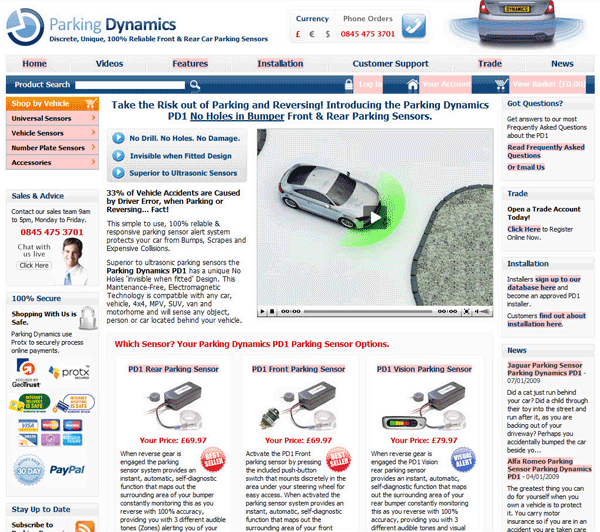
Example of PageRank Distribution using No Follow Tags
